Peptide Pureness Guide 98%, 99% & Research-grade Clarified Prg
@louisohir237
September 23, 2026 · 5 min read
How To Review A Peptide Purity Test: Hplc, Mass Spectrometry And Coa Analysis For Uk Researchers 2026
HPLC informs you what percentage of your sample is the main substance-- however it does not confirm what that main substance actually is. An optimal with the best retention time might in theory be a relevant peptide with comparable hydrophobicity. Mass spectrometry offers identification confirmation by determining molecular mass directly. We assess peptide size, series composition, expected molecular weight, alteration type, salt form, sample background, and designated downstream use prior to defining the logical route.It's possible to have a peptide that is, claim, 95% pure by HPLC and yet the internet peptide material is something like 70% of the powder's weight (the rest being water and salts). Do not be surprised-- this is regular and is usually established by separate analyses (like amino acid Amino Acid Chains evaluation). Peptide pureness is most frequently identified by high-performance liquid chromatography (HPLC) with a detection wavelength of 220 nm, which is ideal for spotting peptide bonds. This approach divides peptides from contaminations and measures both target peptides and pollutants, ensuring top quality examples for study.
Complicated Peptide Structures, Challenging To Verify And Quantify
The software program attracts borders around each optimal and computes the area below. The purity percent originates from contrasting the area of the main optimal to the total area of all discovered peaks. Many records consist of a table listing each top's retention time, location, and percent of total area.
For groups that need deeper structural evaluation, the work can additionally be lined up with peptide sequence analysis and more comprehensive characterization assistance. Amino acid analysis or various other measurable techniques can sustain Check out here absolute web content. Chiral approaches can resolve enantiomeric purity where stereochemistry is an issue. Residual-solvent or water-content examinations can matter in manufacturing or stability contexts.Relevant Services
Unlike a manufacturer's in-house testing, independent third-party lab validation is objective and provides unbiased outcomes, adding reputation with unbiased logical data. This procedure is important for preserving high peptide quality since the peptide market is mainly uncontrolled in several places, and without validation some providers might offer impure, mislabeled, or even counterfeit peptides [3] Ensuring that each batch undergoes appropriate lab screening assists confirm the peptide's authenticity and purity, which is crucial for both research study validity and safety. Peptide purity describes the percentage of your example that is the correct, full-length peptide series, without various other peptide-related impurities. For example, a purity of 98% suggests that 98% of the peptide material is the intended product, while the other 2% might be unwanted remnants of synthesis (such as insufficient series or amino acid removal variants).Finally, recognizing peptide pureness degrees and qualities helps you make educated choices for your experiments. A peptide's pureness portion tells you how much of that sample is the real offer versus by-products, with typical research grades being around 95% as much as 98-99% for additional purity. Analytical HPLC and MS are your close friends below-- HPLC quantifies purity, and MS confirms identity, with each other guaranteeing you understand what's in your tube.
Checking Out Mass Spectrometry Results On A Coa
- Numerous peptide programs face analytical unpredictability before they fail clinically.
- For a 30-residue peptide at the exact same effectiveness, that goes down to about 86%.
- If you see multiple big peaks of similar elevation, you're checking out either a low-purity sample or a blend.
- Purity screening asks how much of the discovered example is the primary peptide versus related contaminations.
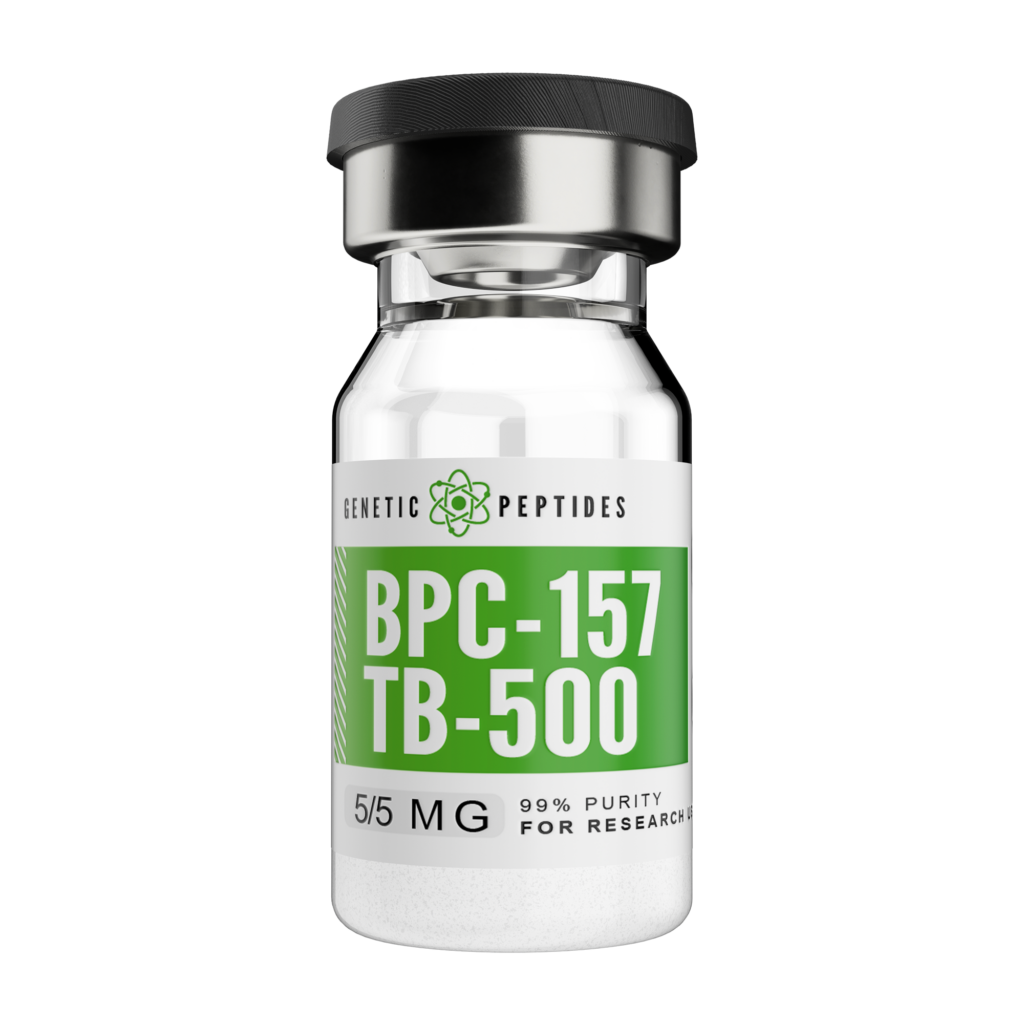
Most peptide suppliers and research study labs rely on a number of reputable logical techniques. All items are cost study, laboratory, or analytical objectives only, and are except human usage. Item summaries and categorizations do not suggest any kind of healing end results. At Chameleon Peptides, every item ships with thorough third-party testing paperwork. You can learn more concerning our analytical testing procedures on our testing and top quality page. A 2016 study published in Nature located that greater than 70% of scientists had tried and stopped working to replicate another researcher's experiments.
For most viewers of a peptide novices' guide, "research-grade" is the world you operate in. It ensures you that the peptide will certainly execute well in experiments (presuming pureness and identification are as stated), but it additionally brings the caveat "Research study Usage Just." This expression is typically printed on the vial or documentation. It works as a pointer and lawful disclaimer that the item is not a therapeutic or palatable. Each peptide has a various expected molecular weight, so mass confirmation is not a generic badge; it is compound-specific proof. For a deeper identity-focused explanation, see Mass Spectrometry Peptide Verification. Identity screening validates that what was synthesized is really the intended sequence.