Just How To Validate Research Peptide Purity: Coa & Hplc Lab Overview
l
@louisohir237
October 25, 2026 · 5 min read
Peptide Quality: Value Of Third-party Recognition Importantly, this pureness number is generally determined after purification (e.g. by HPLC) and concentrates on peptide pollutants-- it does not count recurring water, salts, or counter-ions in the dried out peptide powder. In other words, the purity percent has to do with the composition of peptide varieties in the example, not the weight contribution of water or salts. If you've ever before obtained an artificial peptide for a lab experiment, you have actually likely saw a purity portion on the certificate of evaluation-- usually values like 95%, 98%, or even 99%. Peptide purity is an essential top quality metric that informs you what portion of a peptide sample is the desired product versus undesirable spin-offs. In easy terms, a peptide noted as 95% pure is composed mainly of the target peptide (95%), with the staying ~ 5% composed of contaminations. These impurities can consist of points like reduced or abbreviated sequences, deletion variants, oxidized residues, or various other minor side-products from the synthesis process. While not shills for "large pharma", we highly appreciate the enormous investment they make into science, quality assurance, and quality assurance to minimize these dangers for pharmaceutical drug addict. A solitary HPLC method can not and will certainly not recognize and quantify whatever that remains in a blend in one pass; it simply does not work in this way. Truly, no qualitative or quantitative logical technique (LC, MS, FTIR, NIR) can do what individuals perceive as the pureness result on certificates of analysis today. But remember, these 2 tops do not represent all possible pollutants, excipents, or various other chemicals in the item. The key techniques for measuring peptide purity are High-Performance Liquid Chromatography (HPLC) and Mass Spectrometry (MS). HPLC separates the target peptide from pollutants, evaluating pureness. MS confirms the peptide's identity by gauging its specific mass. These two techniques give corresponding info and are the gold standard in the peptide sector. Peptide pureness means the portion of the target peptide series in a sample compared to pollutants. It's vital due to the fact that pollutants can alter study results, influence drug safety and security, and concession speculative reproducibility, making high pureness essential for precise scientific research.
Where Are Purity Outcomes Typically Reported?
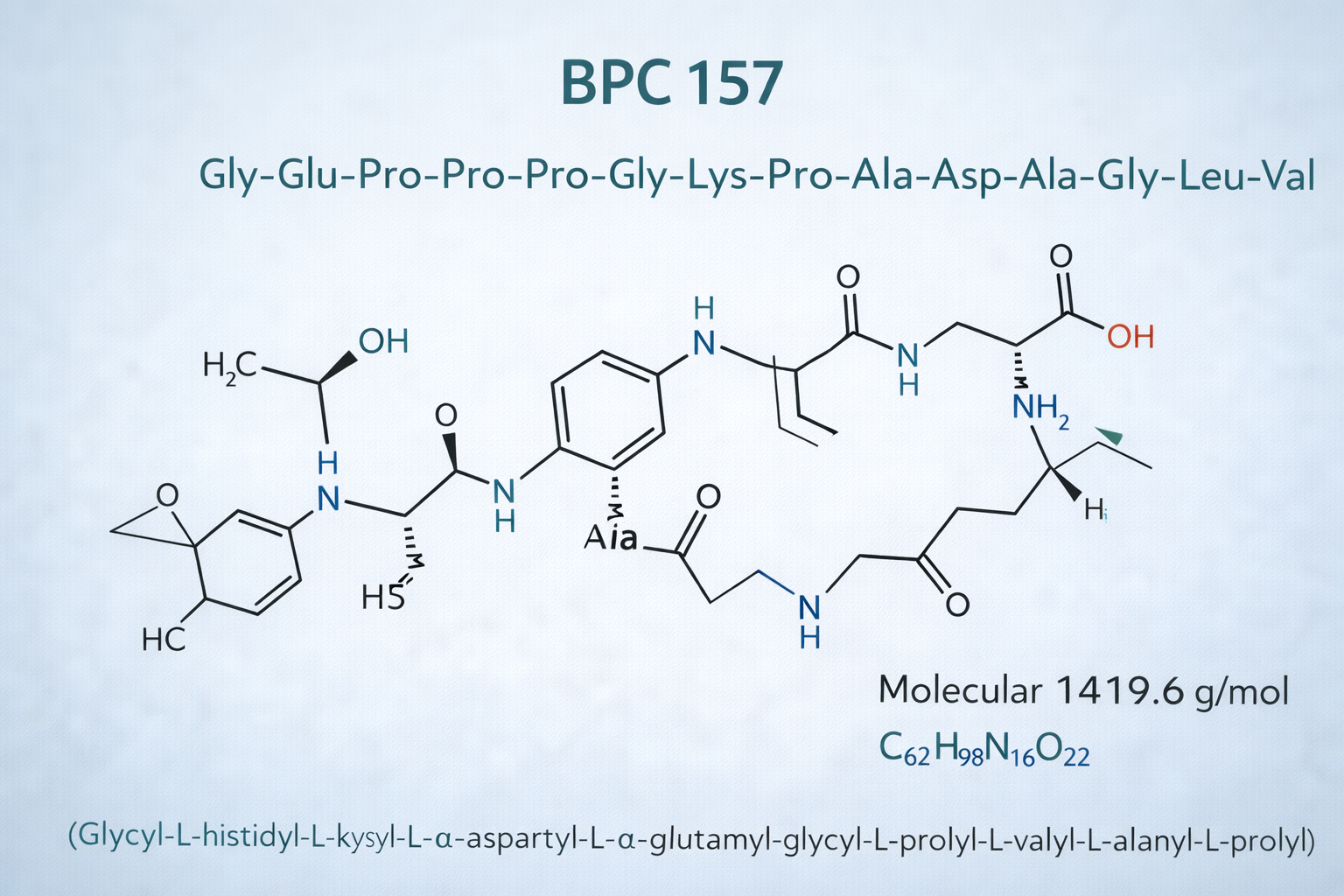
Any of these can produce biological effects that amaze research outcomes. For examples of product-level context, compare the anticipated masses for Retatrutide, BPC-157, and Semaglutide. Each peptide has a various anticipated molecular weight, so mass verification is not a generic badge; it is compound-specific proof. For a much deeper identity-focused explanation, see Mass Spectrometry Peptide Confirmation. Relying on the level, several of these impurities can have a straight impact on your application. For instance, specific truncation sequences can interfere with target-binding under examination, or TFA can kill cells used in a bioassay. Plainly, there is a great deal more than 5mg of "stuff" in that vial. While identification, quantity, and sterility are simple and vital, pureness is not something that is being completely & correctly examined today and is offering a false complacency to users in this area. Confirm the safety and effectiveness of your reconstitution Click here for more remedy.Typical Purity (≥ 95%)
What device is made use of to examine peptide pureness?
Peptide purity is routinely determined by HPLC (high efficiency liquid chromatography). This technique allows splitting up and family member quantification of each peptide manufactured. If paired Peptide Blends to a mass spectrometer (MS), this provides molecular mass/ identity information of the target peptide and accompanying pollutants.
- Evaluating usages Inductively Coupled Plasma Mass Spectrometry (ICP-MS), which can identify also trace degrees of metals.
- When examining a peptide providers checklist, scientists need to prioritize vendors that supply comprehensive logical information.
- A Certification of Analysis (COA) documents the logical screening done on a details peptide batch.
- Peptide pureness screening data are compulsory in preclinical research studies and have to be consisted of in investigational new medicine (IND) applications and later on brand-new medication applications (NDAs).